
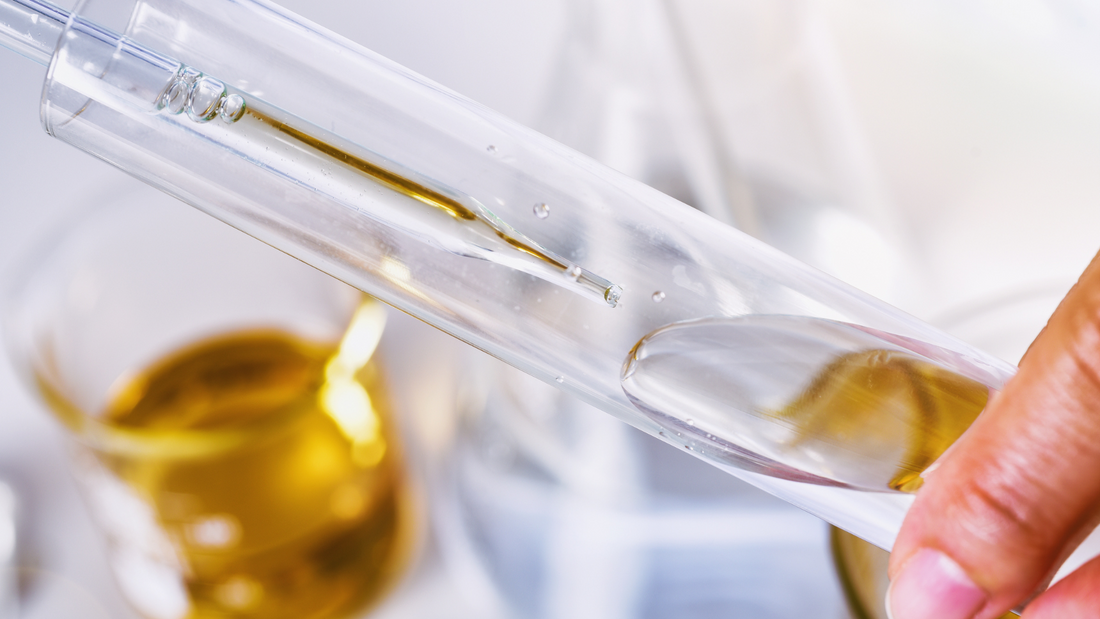
CBD oils are obtained by blending a carrier oil, generally of vegetable origin, with hemp extracts. These extracts contain active molecules, separated from the plant mass by the producers.
Different extraction methods
Liquid chemical solvent extraction
This method involves soaking cannabis plants in solvents such as ethanol, butane or isopropyl alcohol. These solvents separate the cannabinoids from the plant material. The cannabinoid-laden liquid is then heated to evaporate the solvents. However, this method is criticized for its potentially harmful residues and environmental impact.
Supercritical CO2 extraction
Currently, the most common method, supercritical CO2 extraction, separates the plant's active molecules and isolates each cannabinoid independently. Supercritical CO2 is considered a green, non-toxic and non-polluting solvent, leaving no trace of chemicals in the finished product.
Vegetable oil extraction
This process involves infusing hemp in vegetable oil heated to a low temperature. The cannabinoids separate from the plant and enrich the oil. This method is often used by consumers wishing to make their own oil.
Cold-pressed extraction for CBD oil
Cold-pressing: A pioneering extraction technique
Contrary to popular belief, CBD oil is not obtained through cold-pressing. This process is reserved for carrier oils, such as hemp seed oil. This approach helps preserve the integrity of the hemp’s cannabinoids, terpenes, vitamins, and essential fatty acids. Although it yields lower yields, this method produces pure, high-quality oils rich in beneficial natural compounds.
Why is cold extraction more sought after?
1. Preservation of Natural Compounds: Cold extraction preserves the natural compounds of the hemp plant, unlike methods that use heat or chemical solvents.
2. Exceptional Purity: Without chemical solvents or high temperatures, the resulting CBD oil is remarkably pure. It contains no potentially harmful chemical residues, making it safer for consumption.
3. Environmentally Friendly: Cold-pressing is an eco-friendly method that requires less energy than CO2 or solvent-based extraction methods and produces no chemical waste.
From hemp to CBD oil
Refining and winter storageOnce the raw CBD oil has been obtained, a refining process known as winterizing removes solvents, chlorophyll, waxes and other undesirable lipids. The resulting hemp oil contains 70-90% CBD, cannabinoids and terpenes.
Types of CBD oils
- Full-Spectrum CBD: Contains all the natural cannabinoids and compounds of cannabis, including traces of THC.
- Broad Spectrum CBD: Similar to full spectrum, but with no trace of THC, thanks to an additional liquid chromatography step.
- CBD isolate: Contains pure CBD (99%) in the form of a white powder, ideal for high doses of CBD.
CBD oil quality
CBD oil must be extracted from a high-quality hemp plant. A rigorous extraction process is crucial to ensure a reliable, high-quality product. Make sure the oil you use comes from a meticulous manufacturing process for confident consumption.
Our CBD oils
Discover our quality CBD oils made from cold-pressed hemp seeds and extracts.